Deprecated: Creation of dynamic property WP_Term::$cat_ID is deprecated in /var/www/wp-risc2project/public_html/wp-includes/category.php on line 378
Deprecated: Creation of dynamic property WP_Term::$category_count is deprecated in /var/www/wp-risc2project/public_html/wp-includes/category.php on line 379
Deprecated: Creation of dynamic property WP_Term::$category_description is deprecated in /var/www/wp-risc2project/public_html/wp-includes/category.php on line 380
Deprecated: Creation of dynamic property WP_Term::$cat_name is deprecated in /var/www/wp-risc2project/public_html/wp-includes/category.php on line 381
Deprecated: Creation of dynamic property WP_Term::$category_nicename is deprecated in /var/www/wp-risc2project/public_html/wp-includes/category.php on line 382
Deprecated: Creation of dynamic property WP_Term::$category_parent is deprecated in /var/www/wp-risc2project/public_html/wp-includes/category.php on line 383
Deprecated: Creation of dynamic property WP_Term::$cat_ID is deprecated in /var/www/wp-risc2project/public_html/wp-includes/category.php on line 378
Deprecated: Creation of dynamic property WP_Term::$category_count is deprecated in /var/www/wp-risc2project/public_html/wp-includes/category.php on line 379
Deprecated: Creation of dynamic property WP_Term::$category_description is deprecated in /var/www/wp-risc2project/public_html/wp-includes/category.php on line 380
Deprecated: Creation of dynamic property WP_Term::$cat_name is deprecated in /var/www/wp-risc2project/public_html/wp-includes/category.php on line 381
Deprecated: Creation of dynamic property WP_Term::$category_nicename is deprecated in /var/www/wp-risc2project/public_html/wp-includes/category.php on line 382
Deprecated: Creation of dynamic property WP_Term::$category_parent is deprecated in /var/www/wp-risc2project/public_html/wp-includes/category.php on line 383
In this short notice, we briefly describe some afterward advances and challenges with respect to two work packages developed in the ENERXICO Project. This opened the possibility of collaborating with colleagues from institutions that did not participate in the project, for example from the University of Santander in Colombia and from the University of Vigo […]
The post Subsequent Progress And Challenges Concerning The México-UE Project ENERXICO: Supercomputing And Energy For México first appeared on RISC2 Project.
]]>Deprecated: Creation of dynamic property WP_Term::$cat_ID is deprecated in /var/www/wp-risc2project/public_html/wp-includes/category.php on line 378
Deprecated: Creation of dynamic property WP_Term::$category_count is deprecated in /var/www/wp-risc2project/public_html/wp-includes/category.php on line 379
Deprecated: Creation of dynamic property WP_Term::$category_description is deprecated in /var/www/wp-risc2project/public_html/wp-includes/category.php on line 380
Deprecated: Creation of dynamic property WP_Term::$cat_name is deprecated in /var/www/wp-risc2project/public_html/wp-includes/category.php on line 381
Deprecated: Creation of dynamic property WP_Term::$category_nicename is deprecated in /var/www/wp-risc2project/public_html/wp-includes/category.php on line 382
Deprecated: Creation of dynamic property WP_Term::$category_parent is deprecated in /var/www/wp-risc2project/public_html/wp-includes/category.php on line 383
Deprecated: Creation of dynamic property WP_Term::$cat_ID is deprecated in /var/www/wp-risc2project/public_html/wp-includes/category.php on line 378
Deprecated: Creation of dynamic property WP_Term::$category_count is deprecated in /var/www/wp-risc2project/public_html/wp-includes/category.php on line 379
Deprecated: Creation of dynamic property WP_Term::$category_description is deprecated in /var/www/wp-risc2project/public_html/wp-includes/category.php on line 380
Deprecated: Creation of dynamic property WP_Term::$cat_name is deprecated in /var/www/wp-risc2project/public_html/wp-includes/category.php on line 381
Deprecated: Creation of dynamic property WP_Term::$category_nicename is deprecated in /var/www/wp-risc2project/public_html/wp-includes/category.php on line 382
Deprecated: Creation of dynamic property WP_Term::$category_parent is deprecated in /var/www/wp-risc2project/public_html/wp-includes/category.php on line 383
The ENERXICO Project focused on developing advanced simulation software solutions for oil & gas, wind energy and transportation powertrain industries. The institutions that collaborated in the project are for México: ININ (Institution responsible for México), Centro de Investigación y de Estudios Avanzados del IPN (Cinvestav), Universidad Nacional Autónoma de México (UNAM IINGEN, FCUNAM), Universidad Autónoma Metropolitana-Azcapotzalco, Instituto Mexicano del Petróleo, Instituto Politécnico Nacional (IPN) and Pemex, and for the European Union: Centro de Supercómputo de Barcelona (Institution responsible for the EU), Technische Universitäts München, Alemania (TUM), Universidad de Grenoble Alpes, Francia (UGA), CIEMAT, España, Repsol, Iberdrola, Bull, Francia e Universidad Politécnica de Valencia, España.
The Project contemplated four working packages (WP):
WP1 Exascale Enabling: This was a cross-cutting work package that focused on assessing performance bottlenecks and improving the efficiency of the HPC codes proposed in vertical WP (UE Coordinator: BULL, MEX Coordinator: CINVESTAV-COMPUTACIÓN);
WP2 Renewable energies: This WP deployed new applications required to design, optimize and forecast the production of wind farms (UE Coordinator: IBR, MEX Coordinator: ININ);
WP3 Oil and gas energies: This WP addressed the impact of HPC on the entire oil industry chain (UE Coordinator: REPSOL, MEX Coordinator: ININ);
WP4 Biofuels for transport: This WP displayed advanced numerical simulations of biofuels under conditions similar to those of an engine (UE Coordinator: UPV-CMT, MEX Coordinator: UNAM);
For WP1 the following codes were optimized for exascale computers: Alya, Bsit, DualSPHysics, ExaHyPE, Seossol, SEM46 and WRF.
As an example, we present some of the results for the DualPHYysics code. We evaluated two architectures: The first set of hardware used were identical nodes, each equipped with 2 ”Intel Xeon Gold 6248 Processors”, clocking at 2.5 GHz with about 192 GB of system memory. Each node contained 4 Nvidia V100 Tesla GPUs with 32 GB of main memory each. The second set of hardware used were identical nodes, each equipped with 2 ”AMD Milan 7763 Processors”, clocking at 2.45 GHz with about 512 GB of system memory. Each node contained 4 Nvidia V100 Ampere GPUs with 40 GB of main memory each. The code was compiled and linked with CUDA 10.2 and OpenMPI 4. The application was executed using one GPU per MPI rank.
In Figures 1 and 2 we show the scalability of the code for the strong and weak scaling tests that indicate that the scaling is very good. Motivated by these excellent results, we are in the process of performing in the LUMI supercomputer new SPH simulations with up to 26,834 million particles that will be run with up to 500 GPUs, which is 53.7 million particles per GPU. These simulations will be done initially for a Wave Energy Converter (WEC) Farm (see Figure 3), and later for turbulent models.


Figure 1. Strong scaling test with a fix number of particles but increasing number of GPUs.
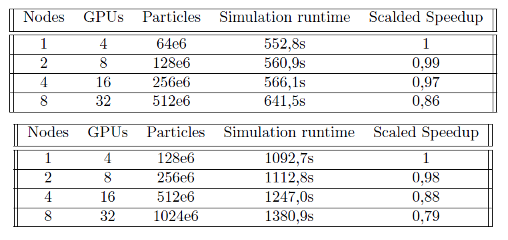
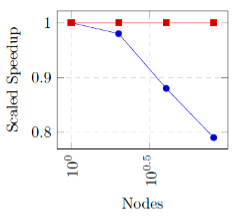
Figure 2. Weak scaling test with increasing number of particles and GPUs.
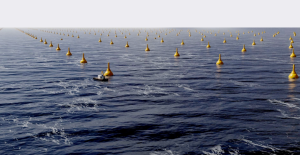
Figure 3. Wave Energy Converter (WEC) Farm (taken from https://corpowerocean.com/)
As part of WP3, ENERXICO developed a first version of a computer code called Black Hole (or BH code) for the numerical simulation of oil reservoirs, based on the numerical technique known as Smoothed Particle Hydrodynamics or SPH. This new code is an extension of the DualSPHysics code (https://dual.sphysics.org/) and is the first SPH based code that has been developed for the numerical simulation of oil reservoirs and has important benefits versus commercial codes based on other numerical techniques.
The BH code is a large-scale massively parallel reservoir simulator capable of performing simulations with billions of “particles” or fluid elements that represent the system under study. It contains improved multi-physics modules that automatically combine the effects of interrelated physical and chemical phenomena to accurately simulate in-situ recovery processes. This has led to the development of a graphical user interface, considered as a multiple-platform application for code execution and visualization, and for carrying out simulations with data provided by industrial partners and performing comparisons with available commercial packages.
Furthermore, a considerable effort is presently being made to simplify the process of setting up the input for reservoir simulations from exploration data by means of a workflow fully integrated in our industrial partners’ software environment. A crucial part of the numerical simulations is the equation of state. We have developed an equation of state based on crude oil data (the so-called PVT) in two forms, the first as a subroutine that is integrated into the code, and the second as an interpolation subroutine of properties’ tables that are generated from the equation of state subroutine.
An oil reservoir is composed of a porous medium with a multiphase fluid made of oil, gas, rock and other solids. The aim of the code is to simulate fluid flow in a porous medium, as well as the behaviour of the system at different pressures and temperatures. The tool should allow the reduction of uncertainties in the predictions that are carried out. For example, it may answer questions about the benefits of injecting a solvent, which could be CO2, nitrogen, combustion gases, methane, etc. into a reservoir, and the times of eruption of the gases in the production wells. With these estimates, it can take the necessary measures to mitigate their presence, calculate the expense, the pressure to be injected, the injection volumes and most importantly, where and for how long. The same happens with more complex processes such as those where fluids, air or steam are injected, which interact with the rock, oil, water and gas present in the reservoir. The simulator should be capable of monitoring and preparing measurement plans.
In order to be able to perform a simulation of a reservoir oil field, an initial model needs to be created. Using geophysical forward and inverse numerical techniques, the ENERXICO project evaluated novel, high-performance simulation packages for challenging seismic exploration cases that are characterized by extreme geometric complexity. Now, we are undergoing an exploration of high-order methods based upon fully unstructured tetrahedral meshes and also tree-structured Cartesian meshes with adaptive mesh refinement (AMR) for better spatial resolution. Using this methodology, our packages (and some commercial packages) together with seismic and geophysical data of naturally fractured reservoir oil fields, are able to create the geometry (see Figure 4), and exhibit basic properties of the oil reservoir field we want to study. A number of numerical simulations are performed and from these oil fields exploitation scenarios are generated.
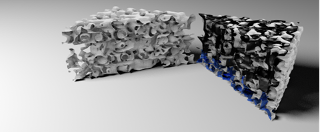
Figure 4. A detail of the initial model for a SPH simulation of a porous medium.
More information about the ENERXICO Project can be found in: https://enerxico-project.eu/
By: Jaime Klapp (ININ, México) and Isidoro Gitler (Cinvestav, México)
The post Subsequent Progress And Challenges Concerning The México-UE Project ENERXICO: Supercomputing And Energy For México first appeared on RISC2 Project.
]]>Deprecated: Creation of dynamic property WP_Term::$cat_ID is deprecated in /var/www/wp-risc2project/public_html/wp-includes/category.php on line 378
Deprecated: Creation of dynamic property WP_Term::$category_count is deprecated in /var/www/wp-risc2project/public_html/wp-includes/category.php on line 379
Deprecated: Creation of dynamic property WP_Term::$category_description is deprecated in /var/www/wp-risc2project/public_html/wp-includes/category.php on line 380
Deprecated: Creation of dynamic property WP_Term::$cat_name is deprecated in /var/www/wp-risc2project/public_html/wp-includes/category.php on line 381
Deprecated: Creation of dynamic property WP_Term::$category_nicename is deprecated in /var/www/wp-risc2project/public_html/wp-includes/category.php on line 382
Deprecated: Creation of dynamic property WP_Term::$category_parent is deprecated in /var/www/wp-risc2project/public_html/wp-includes/category.php on line 383
Deprecated: Creation of dynamic property WP_Term::$cat_ID is deprecated in /var/www/wp-risc2project/public_html/wp-includes/category.php on line 378
Deprecated: Creation of dynamic property WP_Term::$category_count is deprecated in /var/www/wp-risc2project/public_html/wp-includes/category.php on line 379
Deprecated: Creation of dynamic property WP_Term::$category_description is deprecated in /var/www/wp-risc2project/public_html/wp-includes/category.php on line 380
Deprecated: Creation of dynamic property WP_Term::$cat_name is deprecated in /var/www/wp-risc2project/public_html/wp-includes/category.php on line 381
Deprecated: Creation of dynamic property WP_Term::$category_nicename is deprecated in /var/www/wp-risc2project/public_html/wp-includes/category.php on line 382
Deprecated: Creation of dynamic property WP_Term::$category_parent is deprecated in /var/www/wp-risc2project/public_html/wp-includes/category.php on line 383
Deprecated: Creation of dynamic property WP_Term::$cat_ID is deprecated in /var/www/wp-risc2project/public_html/wp-includes/category.php on line 378
Deprecated: Creation of dynamic property WP_Term::$category_count is deprecated in /var/www/wp-risc2project/public_html/wp-includes/category.php on line 379
Deprecated: Creation of dynamic property WP_Term::$category_description is deprecated in /var/www/wp-risc2project/public_html/wp-includes/category.php on line 380
Deprecated: Creation of dynamic property WP_Term::$cat_name is deprecated in /var/www/wp-risc2project/public_html/wp-includes/category.php on line 381
Deprecated: Creation of dynamic property WP_Term::$category_nicename is deprecated in /var/www/wp-risc2project/public_html/wp-includes/category.php on line 382
Deprecated: Creation of dynamic property WP_Term::$category_parent is deprecated in /var/www/wp-risc2project/public_html/wp-includes/category.php on line 383
In the scope of the RISC2 Project, the State University of Sao Paulo and INRIA (Institut National de Recherche en Informatique et en Automatique), a renowned French research institute, held a workshop, on that set the stage for the presentation of the results accomplished under the work Developing Efficient Scientific Gateways for Bioinformatics in Supercomputer […]
The post Latin American researchers present greener gateways for Big Data in INRIA Brazil Workshop first appeared on RISC2 Project.
]]>Deprecated: Creation of dynamic property WP_Term::$cat_ID is deprecated in /var/www/wp-risc2project/public_html/wp-includes/category.php on line 378
Deprecated: Creation of dynamic property WP_Term::$category_count is deprecated in /var/www/wp-risc2project/public_html/wp-includes/category.php on line 379
Deprecated: Creation of dynamic property WP_Term::$category_description is deprecated in /var/www/wp-risc2project/public_html/wp-includes/category.php on line 380
Deprecated: Creation of dynamic property WP_Term::$cat_name is deprecated in /var/www/wp-risc2project/public_html/wp-includes/category.php on line 381
Deprecated: Creation of dynamic property WP_Term::$category_nicename is deprecated in /var/www/wp-risc2project/public_html/wp-includes/category.php on line 382
Deprecated: Creation of dynamic property WP_Term::$category_parent is deprecated in /var/www/wp-risc2project/public_html/wp-includes/category.php on line 383
Deprecated: Creation of dynamic property WP_Term::$cat_ID is deprecated in /var/www/wp-risc2project/public_html/wp-includes/category.php on line 378
Deprecated: Creation of dynamic property WP_Term::$category_count is deprecated in /var/www/wp-risc2project/public_html/wp-includes/category.php on line 379
Deprecated: Creation of dynamic property WP_Term::$category_description is deprecated in /var/www/wp-risc2project/public_html/wp-includes/category.php on line 380
Deprecated: Creation of dynamic property WP_Term::$cat_name is deprecated in /var/www/wp-risc2project/public_html/wp-includes/category.php on line 381
Deprecated: Creation of dynamic property WP_Term::$category_nicename is deprecated in /var/www/wp-risc2project/public_html/wp-includes/category.php on line 382
Deprecated: Creation of dynamic property WP_Term::$category_parent is deprecated in /var/www/wp-risc2project/public_html/wp-includes/category.php on line 383
The goal of the investigation is to provide users with simplified access to computing structures through scientific solutions that represent significant developments in their fields. In the case of this project, it is intended to develop intelligent green scientific solutions for BioinfoPortal (a multiuser Brazilian infrastructure)supported by High-Performance Computing environments.
Technologically, it includes areas such as scientific workflows, data mining, machine learning, and deep learning. The outlook, in case of success, is the analysis and interpretation of Big Data allowing new paths in molecular biology, genetics, biomedicine, and health— so it becomes necessary tools capable of digesting the amount of information, efficiently, which can come.
The team performed several large-scale bioinformatics experiments that are considered to be computationally intensive. Currently, artificial intelligence is being used to generate models to analyze computational and bioinformatics metadata to understand how automatic learning can predict computational resources efficiently. The workshop was held from April 10th to 11th, and took place in the University of Sao Paulo.
RISC2 Project, which aims to explore the HPC impact in the economies of Latin America and Europe, relies on the interaction between researchers and policymakers in both regions. It also includes 16 academic partners such as the University of Buenos Aires, National Laboratory for High Performance Computing of Chile, Julich Supercomputing Centre, Barcelona Supercomputing Center (the leader of the consortium), among others.
The post Latin American researchers present greener gateways for Big Data in INRIA Brazil Workshop first appeared on RISC2 Project.
]]>Deprecated: Creation of dynamic property WP_Term::$cat_ID is deprecated in /var/www/wp-risc2project/public_html/wp-includes/category.php on line 378
Deprecated: Creation of dynamic property WP_Term::$category_count is deprecated in /var/www/wp-risc2project/public_html/wp-includes/category.php on line 379
Deprecated: Creation of dynamic property WP_Term::$category_description is deprecated in /var/www/wp-risc2project/public_html/wp-includes/category.php on line 380
Deprecated: Creation of dynamic property WP_Term::$cat_name is deprecated in /var/www/wp-risc2project/public_html/wp-includes/category.php on line 381
Deprecated: Creation of dynamic property WP_Term::$category_nicename is deprecated in /var/www/wp-risc2project/public_html/wp-includes/category.php on line 382
Deprecated: Creation of dynamic property WP_Term::$category_parent is deprecated in /var/www/wp-risc2project/public_html/wp-includes/category.php on line 383
Deprecated: Creation of dynamic property WP_Term::$cat_ID is deprecated in /var/www/wp-risc2project/public_html/wp-includes/category.php on line 378
Deprecated: Creation of dynamic property WP_Term::$category_count is deprecated in /var/www/wp-risc2project/public_html/wp-includes/category.php on line 379
Deprecated: Creation of dynamic property WP_Term::$category_description is deprecated in /var/www/wp-risc2project/public_html/wp-includes/category.php on line 380
Deprecated: Creation of dynamic property WP_Term::$cat_name is deprecated in /var/www/wp-risc2project/public_html/wp-includes/category.php on line 381
Deprecated: Creation of dynamic property WP_Term::$category_nicename is deprecated in /var/www/wp-risc2project/public_html/wp-includes/category.php on line 382
Deprecated: Creation of dynamic property WP_Term::$category_parent is deprecated in /var/www/wp-risc2project/public_html/wp-includes/category.php on line 383
Deprecated: Creation of dynamic property WP_Term::$cat_ID is deprecated in /var/www/wp-risc2project/public_html/wp-includes/category.php on line 378
Deprecated: Creation of dynamic property WP_Term::$category_count is deprecated in /var/www/wp-risc2project/public_html/wp-includes/category.php on line 379
Deprecated: Creation of dynamic property WP_Term::$category_description is deprecated in /var/www/wp-risc2project/public_html/wp-includes/category.php on line 380
Deprecated: Creation of dynamic property WP_Term::$cat_name is deprecated in /var/www/wp-risc2project/public_html/wp-includes/category.php on line 381
Deprecated: Creation of dynamic property WP_Term::$category_nicename is deprecated in /var/www/wp-risc2project/public_html/wp-includes/category.php on line 382
Deprecated: Creation of dynamic property WP_Term::$category_parent is deprecated in /var/www/wp-risc2project/public_html/wp-includes/category.php on line 383
RISC2 supported the ‘HPC, Data & Architecture Week’, which took place between March 13 and 17, 2023, in Buenos Aires. This initiative aimed to recover and deepen the training of human resources for the development of scientific applications and their efficient use in parallel computing environments. This event had four main courses: “Foundations of Parallel […]
The post More than 100 students participated in the HPC, Data & Architecture Week first appeared on RISC2 Project.
]]>Deprecated: Creation of dynamic property WP_Term::$cat_ID is deprecated in /var/www/wp-risc2project/public_html/wp-includes/category.php on line 378
Deprecated: Creation of dynamic property WP_Term::$category_count is deprecated in /var/www/wp-risc2project/public_html/wp-includes/category.php on line 379
Deprecated: Creation of dynamic property WP_Term::$category_description is deprecated in /var/www/wp-risc2project/public_html/wp-includes/category.php on line 380
Deprecated: Creation of dynamic property WP_Term::$cat_name is deprecated in /var/www/wp-risc2project/public_html/wp-includes/category.php on line 381
Deprecated: Creation of dynamic property WP_Term::$category_nicename is deprecated in /var/www/wp-risc2project/public_html/wp-includes/category.php on line 382
Deprecated: Creation of dynamic property WP_Term::$category_parent is deprecated in /var/www/wp-risc2project/public_html/wp-includes/category.php on line 383
Deprecated: Creation of dynamic property WP_Term::$cat_ID is deprecated in /var/www/wp-risc2project/public_html/wp-includes/category.php on line 378
Deprecated: Creation of dynamic property WP_Term::$category_count is deprecated in /var/www/wp-risc2project/public_html/wp-includes/category.php on line 379
Deprecated: Creation of dynamic property WP_Term::$category_description is deprecated in /var/www/wp-risc2project/public_html/wp-includes/category.php on line 380
Deprecated: Creation of dynamic property WP_Term::$cat_name is deprecated in /var/www/wp-risc2project/public_html/wp-includes/category.php on line 381
Deprecated: Creation of dynamic property WP_Term::$category_nicename is deprecated in /var/www/wp-risc2project/public_html/wp-includes/category.php on line 382
Deprecated: Creation of dynamic property WP_Term::$category_parent is deprecated in /var/www/wp-risc2project/public_html/wp-includes/category.php on line 383
This event had four main courses: “Foundations of Parallel Programming”, “Large scale data processing and machine learning”, “New architectures and specific computing platforms”, and “Administrations techniques for large-scale computing facilities”.
More than 100 students actively participated in the event who traveled from different part of the country. 30 students received financial support to participate (traveling and living) provided by the National HPC System (SNCAD) dependent of the Argentina’s Ministry of Science.
Deprecated: sanitize_url is deprecated since version 2.8.0! Use esc_url_raw() instead. in /var/www/wp-risc2project/public_html/wp-includes/functions.php on line 5205
Esteban Mocskos, one of the organizers of the event, believes “this kind of events should be organized regularly to sustain the flux of students in the area of HPC”. In his opinion, “a lot of students from Argentina get their first contact with HPC topics. As such a large country, impacting a distant region also means impacting the neighboring countries. Those students will bring their experience to other students in their places”. According to Mocskos, initiatives like the “HPC, Data & Architecture Week” spark a lot of collaborations.
The post More than 100 students participated in the HPC, Data & Architecture Week first appeared on RISC2 Project.
]]>Deprecated: Creation of dynamic property WP_Term::$cat_ID is deprecated in /var/www/wp-risc2project/public_html/wp-includes/category.php on line 378
Deprecated: Creation of dynamic property WP_Term::$category_count is deprecated in /var/www/wp-risc2project/public_html/wp-includes/category.php on line 379
Deprecated: Creation of dynamic property WP_Term::$category_description is deprecated in /var/www/wp-risc2project/public_html/wp-includes/category.php on line 380
Deprecated: Creation of dynamic property WP_Term::$cat_name is deprecated in /var/www/wp-risc2project/public_html/wp-includes/category.php on line 381
Deprecated: Creation of dynamic property WP_Term::$category_nicename is deprecated in /var/www/wp-risc2project/public_html/wp-includes/category.php on line 382
Deprecated: Creation of dynamic property WP_Term::$category_parent is deprecated in /var/www/wp-risc2project/public_html/wp-includes/category.php on line 383
Deprecated: Creation of dynamic property WP_Term::$cat_ID is deprecated in /var/www/wp-risc2project/public_html/wp-includes/category.php on line 378
Deprecated: Creation of dynamic property WP_Term::$category_count is deprecated in /var/www/wp-risc2project/public_html/wp-includes/category.php on line 379
Deprecated: Creation of dynamic property WP_Term::$category_description is deprecated in /var/www/wp-risc2project/public_html/wp-includes/category.php on line 380
Deprecated: Creation of dynamic property WP_Term::$cat_name is deprecated in /var/www/wp-risc2project/public_html/wp-includes/category.php on line 381
Deprecated: Creation of dynamic property WP_Term::$category_nicename is deprecated in /var/www/wp-risc2project/public_html/wp-includes/category.php on line 382
Deprecated: Creation of dynamic property WP_Term::$category_parent is deprecated in /var/www/wp-risc2project/public_html/wp-includes/category.php on line 383
Deprecated: Creation of dynamic property WP_Term::$cat_ID is deprecated in /var/www/wp-risc2project/public_html/wp-includes/category.php on line 378
Deprecated: Creation of dynamic property WP_Term::$category_count is deprecated in /var/www/wp-risc2project/public_html/wp-includes/category.php on line 379
Deprecated: Creation of dynamic property WP_Term::$category_description is deprecated in /var/www/wp-risc2project/public_html/wp-includes/category.php on line 380
Deprecated: Creation of dynamic property WP_Term::$cat_name is deprecated in /var/www/wp-risc2project/public_html/wp-includes/category.php on line 381
Deprecated: Creation of dynamic property WP_Term::$category_nicename is deprecated in /var/www/wp-risc2project/public_html/wp-includes/category.php on line 382
Deprecated: Creation of dynamic property WP_Term::$category_parent is deprecated in /var/www/wp-risc2project/public_html/wp-includes/category.php on line 383
On 14 March Bogotá, Colombia, the European Union-Latin America and Caribbean Digital Alliance was launched, a joint initiative to champion a human-centric approach to digital transformation. It is supported by an initial contribution of €145 million from Team Europe, including €50 million from the EU budget to boost digital cooperation between both regions. The Alliance’s […]
The post EU, Latin America and Caribbean partners launch in Colombia the EU-LAC Digital Alliance first appeared on RISC2 Project.
]]>Deprecated: Creation of dynamic property WP_Term::$cat_ID is deprecated in /var/www/wp-risc2project/public_html/wp-includes/category.php on line 378
Deprecated: Creation of dynamic property WP_Term::$category_count is deprecated in /var/www/wp-risc2project/public_html/wp-includes/category.php on line 379
Deprecated: Creation of dynamic property WP_Term::$category_description is deprecated in /var/www/wp-risc2project/public_html/wp-includes/category.php on line 380
Deprecated: Creation of dynamic property WP_Term::$cat_name is deprecated in /var/www/wp-risc2project/public_html/wp-includes/category.php on line 381
Deprecated: Creation of dynamic property WP_Term::$category_nicename is deprecated in /var/www/wp-risc2project/public_html/wp-includes/category.php on line 382
Deprecated: Creation of dynamic property WP_Term::$category_parent is deprecated in /var/www/wp-risc2project/public_html/wp-includes/category.php on line 383
Deprecated: Creation of dynamic property WP_Term::$cat_ID is deprecated in /var/www/wp-risc2project/public_html/wp-includes/category.php on line 378
Deprecated: Creation of dynamic property WP_Term::$category_count is deprecated in /var/www/wp-risc2project/public_html/wp-includes/category.php on line 379
Deprecated: Creation of dynamic property WP_Term::$category_description is deprecated in /var/www/wp-risc2project/public_html/wp-includes/category.php on line 380
Deprecated: Creation of dynamic property WP_Term::$cat_name is deprecated in /var/www/wp-risc2project/public_html/wp-includes/category.php on line 381
Deprecated: Creation of dynamic property WP_Term::$category_nicename is deprecated in /var/www/wp-risc2project/public_html/wp-includes/category.php on line 382
Deprecated: Creation of dynamic property WP_Term::$category_parent is deprecated in /var/www/wp-risc2project/public_html/wp-includes/category.php on line 383
The Alliance’s aim is to foster the development of secure, resilient and human-centric digital infrastructures on the basis of a values-based framework, ensuring a democratic and transparent enabling environment and putting a strong emphasis on privacy and digital rights. It is the first intercontinental digital partnership agreed between both regions under Global Gateway investment strategy, the EU’s offer for trusted and sustainable connections with partner countries.
More information here.
The post EU, Latin America and Caribbean partners launch in Colombia the EU-LAC Digital Alliance first appeared on RISC2 Project.
]]>Deprecated: Creation of dynamic property WP_Term::$cat_ID is deprecated in /var/www/wp-risc2project/public_html/wp-includes/category.php on line 378
Deprecated: Creation of dynamic property WP_Term::$category_count is deprecated in /var/www/wp-risc2project/public_html/wp-includes/category.php on line 379
Deprecated: Creation of dynamic property WP_Term::$category_description is deprecated in /var/www/wp-risc2project/public_html/wp-includes/category.php on line 380
Deprecated: Creation of dynamic property WP_Term::$cat_name is deprecated in /var/www/wp-risc2project/public_html/wp-includes/category.php on line 381
Deprecated: Creation of dynamic property WP_Term::$category_nicename is deprecated in /var/www/wp-risc2project/public_html/wp-includes/category.php on line 382
Deprecated: Creation of dynamic property WP_Term::$category_parent is deprecated in /var/www/wp-risc2project/public_html/wp-includes/category.php on line 383
Deprecated: Creation of dynamic property WP_Term::$cat_ID is deprecated in /var/www/wp-risc2project/public_html/wp-includes/category.php on line 378
Deprecated: Creation of dynamic property WP_Term::$category_count is deprecated in /var/www/wp-risc2project/public_html/wp-includes/category.php on line 379
Deprecated: Creation of dynamic property WP_Term::$category_description is deprecated in /var/www/wp-risc2project/public_html/wp-includes/category.php on line 380
Deprecated: Creation of dynamic property WP_Term::$cat_name is deprecated in /var/www/wp-risc2project/public_html/wp-includes/category.php on line 381
Deprecated: Creation of dynamic property WP_Term::$category_nicename is deprecated in /var/www/wp-risc2project/public_html/wp-includes/category.php on line 382
Deprecated: Creation of dynamic property WP_Term::$category_parent is deprecated in /var/www/wp-risc2project/public_html/wp-includes/category.php on line 383
Deprecated: Creation of dynamic property WP_Term::$cat_ID is deprecated in /var/www/wp-risc2project/public_html/wp-includes/category.php on line 378
Deprecated: Creation of dynamic property WP_Term::$category_count is deprecated in /var/www/wp-risc2project/public_html/wp-includes/category.php on line 379
Deprecated: Creation of dynamic property WP_Term::$category_description is deprecated in /var/www/wp-risc2project/public_html/wp-includes/category.php on line 380
Deprecated: Creation of dynamic property WP_Term::$cat_name is deprecated in /var/www/wp-risc2project/public_html/wp-includes/category.php on line 381
Deprecated: Creation of dynamic property WP_Term::$category_nicename is deprecated in /var/www/wp-risc2project/public_html/wp-includes/category.php on line 382
Deprecated: Creation of dynamic property WP_Term::$category_parent is deprecated in /var/www/wp-risc2project/public_html/wp-includes/category.php on line 383
In January 2023, LNCC participated in the project “Futuras Cientistas” – in English, “Future Girls in Science” -, promoted by the Brazilian Ministry of Science and Technology. This project aims to stimulate the interest and participation of female high school students of the public school in the areas of science, technology, engineering, and mathematics, contributing […]
The post LNCC encourages the participation of girls and women in science and technology careers first appeared on RISC2 Project.
]]>Deprecated: Creation of dynamic property WP_Term::$cat_ID is deprecated in /var/www/wp-risc2project/public_html/wp-includes/category.php on line 378
Deprecated: Creation of dynamic property WP_Term::$category_count is deprecated in /var/www/wp-risc2project/public_html/wp-includes/category.php on line 379
Deprecated: Creation of dynamic property WP_Term::$category_description is deprecated in /var/www/wp-risc2project/public_html/wp-includes/category.php on line 380
Deprecated: Creation of dynamic property WP_Term::$cat_name is deprecated in /var/www/wp-risc2project/public_html/wp-includes/category.php on line 381
Deprecated: Creation of dynamic property WP_Term::$category_nicename is deprecated in /var/www/wp-risc2project/public_html/wp-includes/category.php on line 382
Deprecated: Creation of dynamic property WP_Term::$category_parent is deprecated in /var/www/wp-risc2project/public_html/wp-includes/category.php on line 383
Deprecated: Creation of dynamic property WP_Term::$cat_ID is deprecated in /var/www/wp-risc2project/public_html/wp-includes/category.php on line 378
Deprecated: Creation of dynamic property WP_Term::$category_count is deprecated in /var/www/wp-risc2project/public_html/wp-includes/category.php on line 379
Deprecated: Creation of dynamic property WP_Term::$category_description is deprecated in /var/www/wp-risc2project/public_html/wp-includes/category.php on line 380
Deprecated: Creation of dynamic property WP_Term::$cat_name is deprecated in /var/www/wp-risc2project/public_html/wp-includes/category.php on line 381
Deprecated: Creation of dynamic property WP_Term::$category_nicename is deprecated in /var/www/wp-risc2project/public_html/wp-includes/category.php on line 382
Deprecated: Creation of dynamic property WP_Term::$category_parent is deprecated in /var/www/wp-risc2project/public_html/wp-includes/category.php on line 383
LNCC, represented by Carla Osthoff, Kary Ocaña and Ana Karl, presented theoretical and practical courses in Bioinformatics, HPC, Mathematical and Chemical Computing.
The post LNCC encourages the participation of girls and women in science and technology careers first appeared on RISC2 Project.
]]>Deprecated: Creation of dynamic property WP_Term::$cat_ID is deprecated in /var/www/wp-risc2project/public_html/wp-includes/category.php on line 378
Deprecated: Creation of dynamic property WP_Term::$category_count is deprecated in /var/www/wp-risc2project/public_html/wp-includes/category.php on line 379
Deprecated: Creation of dynamic property WP_Term::$category_description is deprecated in /var/www/wp-risc2project/public_html/wp-includes/category.php on line 380
Deprecated: Creation of dynamic property WP_Term::$cat_name is deprecated in /var/www/wp-risc2project/public_html/wp-includes/category.php on line 381
Deprecated: Creation of dynamic property WP_Term::$category_nicename is deprecated in /var/www/wp-risc2project/public_html/wp-includes/category.php on line 382
Deprecated: Creation of dynamic property WP_Term::$category_parent is deprecated in /var/www/wp-risc2project/public_html/wp-includes/category.php on line 383
Deprecated: Creation of dynamic property WP_Term::$cat_ID is deprecated in /var/www/wp-risc2project/public_html/wp-includes/category.php on line 378
Deprecated: Creation of dynamic property WP_Term::$category_count is deprecated in /var/www/wp-risc2project/public_html/wp-includes/category.php on line 379
Deprecated: Creation of dynamic property WP_Term::$category_description is deprecated in /var/www/wp-risc2project/public_html/wp-includes/category.php on line 380
Deprecated: Creation of dynamic property WP_Term::$cat_name is deprecated in /var/www/wp-risc2project/public_html/wp-includes/category.php on line 381
Deprecated: Creation of dynamic property WP_Term::$category_nicename is deprecated in /var/www/wp-risc2project/public_html/wp-includes/category.php on line 382
Deprecated: Creation of dynamic property WP_Term::$category_parent is deprecated in /var/www/wp-risc2project/public_html/wp-includes/category.php on line 383
Deprecated: Creation of dynamic property WP_Term::$cat_ID is deprecated in /var/www/wp-risc2project/public_html/wp-includes/category.php on line 378
Deprecated: Creation of dynamic property WP_Term::$category_count is deprecated in /var/www/wp-risc2project/public_html/wp-includes/category.php on line 379
Deprecated: Creation of dynamic property WP_Term::$category_description is deprecated in /var/www/wp-risc2project/public_html/wp-includes/category.php on line 380
Deprecated: Creation of dynamic property WP_Term::$cat_name is deprecated in /var/www/wp-risc2project/public_html/wp-includes/category.php on line 381
Deprecated: Creation of dynamic property WP_Term::$category_nicename is deprecated in /var/www/wp-risc2project/public_html/wp-includes/category.php on line 382
Deprecated: Creation of dynamic property WP_Term::$category_parent is deprecated in /var/www/wp-risc2project/public_html/wp-includes/category.php on line 383
The Costa Rica HPC School 2023, organized by CeNAT in collaboration with the RISC2 project, took place between January 30 and February 3, at the Costa Rica National High Technology Center. The main goal of the School was to offer a platform for learning the fundamental tools and methodologies in parallel programming. In doing so […]
The post Costa Rica HPC School 2023 aimed at teaching the fundamental tools and methodologies in parallel programming first appeared on RISC2 Project.
]]>Deprecated: Creation of dynamic property WP_Term::$cat_ID is deprecated in /var/www/wp-risc2project/public_html/wp-includes/category.php on line 378
Deprecated: Creation of dynamic property WP_Term::$category_count is deprecated in /var/www/wp-risc2project/public_html/wp-includes/category.php on line 379
Deprecated: Creation of dynamic property WP_Term::$category_description is deprecated in /var/www/wp-risc2project/public_html/wp-includes/category.php on line 380
Deprecated: Creation of dynamic property WP_Term::$cat_name is deprecated in /var/www/wp-risc2project/public_html/wp-includes/category.php on line 381
Deprecated: Creation of dynamic property WP_Term::$category_nicename is deprecated in /var/www/wp-risc2project/public_html/wp-includes/category.php on line 382
Deprecated: Creation of dynamic property WP_Term::$category_parent is deprecated in /var/www/wp-risc2project/public_html/wp-includes/category.php on line 383
Deprecated: Creation of dynamic property WP_Term::$cat_ID is deprecated in /var/www/wp-risc2project/public_html/wp-includes/category.php on line 378
Deprecated: Creation of dynamic property WP_Term::$category_count is deprecated in /var/www/wp-risc2project/public_html/wp-includes/category.php on line 379
Deprecated: Creation of dynamic property WP_Term::$category_description is deprecated in /var/www/wp-risc2project/public_html/wp-includes/category.php on line 380
Deprecated: Creation of dynamic property WP_Term::$cat_name is deprecated in /var/www/wp-risc2project/public_html/wp-includes/category.php on line 381
Deprecated: Creation of dynamic property WP_Term::$category_nicename is deprecated in /var/www/wp-risc2project/public_html/wp-includes/category.php on line 382
Deprecated: Creation of dynamic property WP_Term::$category_parent is deprecated in /var/www/wp-risc2project/public_html/wp-includes/category.php on line 383
Building on the success of previous editions, the seventh installment of the Costa Rica High Performance Computing School (CRHPCS) aims at preparing students and researchers to introduce HPC tools in their workflows. A selected team of international experts taught sessions on shared-memory programming, distributed-memory programming, accelerator programming, and high performance computing. This edition had instructors Alessandro Marani and Nitin Shukla from CINECA, which greatly helped in bringing a vibrant environment to the sessions.
Deprecated: sanitize_url is deprecated since version 2.8.0! Use esc_url_raw() instead. in /var/www/wp-risc2project/public_html/wp-includes/functions.php on line 5205
Bernd Mohr, from Jülich Supercomputing Centre, was the Keynote Speaker of this year’s edition of the event. A well-known figure in the HPC community at large, Bernd presented the talk Parallel Performance Analysis at Scale: From Single Node to one Million HPC Cores. In an amazing voyage through different architecture setups, Bernd highlighted the importance and challenges of performance analysis.
For Esteban Meneses, Costa Rica HPC School General Chair, the School is a key element in building a stronger and more connected HPC community in the region. This year, thanks to the RISC2 project, we were able to gather participants from Guatemala, El Salvador, and Colombia. Creating these ties is fundamental for later developing more complex initiatives. We aim at preparing future scientists that will develop groundbreaking computer applications that tackle the most pressing problems of our region.
The post Costa Rica HPC School 2023 aimed at teaching the fundamental tools and methodologies in parallel programming first appeared on RISC2 Project.
]]>Deprecated: Creation of dynamic property WP_Term::$cat_ID is deprecated in /var/www/wp-risc2project/public_html/wp-includes/category.php on line 378
Deprecated: Creation of dynamic property WP_Term::$category_count is deprecated in /var/www/wp-risc2project/public_html/wp-includes/category.php on line 379
Deprecated: Creation of dynamic property WP_Term::$category_description is deprecated in /var/www/wp-risc2project/public_html/wp-includes/category.php on line 380
Deprecated: Creation of dynamic property WP_Term::$cat_name is deprecated in /var/www/wp-risc2project/public_html/wp-includes/category.php on line 381
Deprecated: Creation of dynamic property WP_Term::$category_nicename is deprecated in /var/www/wp-risc2project/public_html/wp-includes/category.php on line 382
Deprecated: Creation of dynamic property WP_Term::$category_parent is deprecated in /var/www/wp-risc2project/public_html/wp-includes/category.php on line 383
Deprecated: Creation of dynamic property WP_Term::$cat_ID is deprecated in /var/www/wp-risc2project/public_html/wp-includes/category.php on line 378
Deprecated: Creation of dynamic property WP_Term::$category_count is deprecated in /var/www/wp-risc2project/public_html/wp-includes/category.php on line 379
Deprecated: Creation of dynamic property WP_Term::$category_description is deprecated in /var/www/wp-risc2project/public_html/wp-includes/category.php on line 380
Deprecated: Creation of dynamic property WP_Term::$cat_name is deprecated in /var/www/wp-risc2project/public_html/wp-includes/category.php on line 381
Deprecated: Creation of dynamic property WP_Term::$category_nicename is deprecated in /var/www/wp-risc2project/public_html/wp-includes/category.php on line 382
Deprecated: Creation of dynamic property WP_Term::$category_parent is deprecated in /var/www/wp-risc2project/public_html/wp-includes/category.php on line 383
Deprecated: Creation of dynamic property WP_Term::$cat_ID is deprecated in /var/www/wp-risc2project/public_html/wp-includes/category.php on line 378
Deprecated: Creation of dynamic property WP_Term::$category_count is deprecated in /var/www/wp-risc2project/public_html/wp-includes/category.php on line 379
Deprecated: Creation of dynamic property WP_Term::$category_description is deprecated in /var/www/wp-risc2project/public_html/wp-includes/category.php on line 380
Deprecated: Creation of dynamic property WP_Term::$cat_name is deprecated in /var/www/wp-risc2project/public_html/wp-includes/category.php on line 381
Deprecated: Creation of dynamic property WP_Term::$category_nicename is deprecated in /var/www/wp-risc2project/public_html/wp-includes/category.php on line 382
Deprecated: Creation of dynamic property WP_Term::$category_parent is deprecated in /var/www/wp-risc2project/public_html/wp-includes/category.php on line 383
RISC2 publishes its institutional video, which briefly presents the project, its main goals and objectives. The video is English but is available with Portuguese and Spanish subtitles as well. Watch the video here. Watch the video with Portuguese subtitles here. Watch the video with Spanish subtitles here.
The post RISC2 institutional video available first appeared on RISC2 Project.
]]>Deprecated: Creation of dynamic property WP_Term::$cat_ID is deprecated in /var/www/wp-risc2project/public_html/wp-includes/category.php on line 378
Deprecated: Creation of dynamic property WP_Term::$category_count is deprecated in /var/www/wp-risc2project/public_html/wp-includes/category.php on line 379
Deprecated: Creation of dynamic property WP_Term::$category_description is deprecated in /var/www/wp-risc2project/public_html/wp-includes/category.php on line 380
Deprecated: Creation of dynamic property WP_Term::$cat_name is deprecated in /var/www/wp-risc2project/public_html/wp-includes/category.php on line 381
Deprecated: Creation of dynamic property WP_Term::$category_nicename is deprecated in /var/www/wp-risc2project/public_html/wp-includes/category.php on line 382
Deprecated: Creation of dynamic property WP_Term::$category_parent is deprecated in /var/www/wp-risc2project/public_html/wp-includes/category.php on line 383
Deprecated: Creation of dynamic property WP_Term::$cat_ID is deprecated in /var/www/wp-risc2project/public_html/wp-includes/category.php on line 378
Deprecated: Creation of dynamic property WP_Term::$category_count is deprecated in /var/www/wp-risc2project/public_html/wp-includes/category.php on line 379
Deprecated: Creation of dynamic property WP_Term::$category_description is deprecated in /var/www/wp-risc2project/public_html/wp-includes/category.php on line 380
Deprecated: Creation of dynamic property WP_Term::$cat_name is deprecated in /var/www/wp-risc2project/public_html/wp-includes/category.php on line 381
Deprecated: Creation of dynamic property WP_Term::$category_nicename is deprecated in /var/www/wp-risc2project/public_html/wp-includes/category.php on line 382
Deprecated: Creation of dynamic property WP_Term::$category_parent is deprecated in /var/www/wp-risc2project/public_html/wp-includes/category.php on line 383
The video is English but is available with Portuguese and Spanish subtitles as well.
Watch the video with Portuguese subtitles here.
Watch the video with Spanish subtitles here.
The post RISC2 institutional video available first appeared on RISC2 Project.
]]>Deprecated: Creation of dynamic property WP_Term::$cat_ID is deprecated in /var/www/wp-risc2project/public_html/wp-includes/category.php on line 378
Deprecated: Creation of dynamic property WP_Term::$category_count is deprecated in /var/www/wp-risc2project/public_html/wp-includes/category.php on line 379
Deprecated: Creation of dynamic property WP_Term::$category_description is deprecated in /var/www/wp-risc2project/public_html/wp-includes/category.php on line 380
Deprecated: Creation of dynamic property WP_Term::$cat_name is deprecated in /var/www/wp-risc2project/public_html/wp-includes/category.php on line 381
Deprecated: Creation of dynamic property WP_Term::$category_nicename is deprecated in /var/www/wp-risc2project/public_html/wp-includes/category.php on line 382
Deprecated: Creation of dynamic property WP_Term::$category_parent is deprecated in /var/www/wp-risc2project/public_html/wp-includes/category.php on line 383
Deprecated: Creation of dynamic property WP_Term::$cat_ID is deprecated in /var/www/wp-risc2project/public_html/wp-includes/category.php on line 378
Deprecated: Creation of dynamic property WP_Term::$category_count is deprecated in /var/www/wp-risc2project/public_html/wp-includes/category.php on line 379
Deprecated: Creation of dynamic property WP_Term::$category_description is deprecated in /var/www/wp-risc2project/public_html/wp-includes/category.php on line 380
Deprecated: Creation of dynamic property WP_Term::$cat_name is deprecated in /var/www/wp-risc2project/public_html/wp-includes/category.php on line 381
Deprecated: Creation of dynamic property WP_Term::$category_nicename is deprecated in /var/www/wp-risc2project/public_html/wp-includes/category.php on line 382
Deprecated: Creation of dynamic property WP_Term::$category_parent is deprecated in /var/www/wp-risc2project/public_html/wp-includes/category.php on line 383
Deprecated: Creation of dynamic property WP_Term::$cat_ID is deprecated in /var/www/wp-risc2project/public_html/wp-includes/category.php on line 378
Deprecated: Creation of dynamic property WP_Term::$category_count is deprecated in /var/www/wp-risc2project/public_html/wp-includes/category.php on line 379
Deprecated: Creation of dynamic property WP_Term::$category_description is deprecated in /var/www/wp-risc2project/public_html/wp-includes/category.php on line 380
Deprecated: Creation of dynamic property WP_Term::$cat_name is deprecated in /var/www/wp-risc2project/public_html/wp-includes/category.php on line 381
Deprecated: Creation of dynamic property WP_Term::$category_nicename is deprecated in /var/www/wp-risc2project/public_html/wp-includes/category.php on line 382
Deprecated: Creation of dynamic property WP_Term::$category_parent is deprecated in /var/www/wp-risc2project/public_html/wp-includes/category.php on line 383
LNCC, one of the RISC2 Brazilian partners, organized the HPC Summer School “Escola Supercomputador Santos Dumont,” which took place between January 16 to 24, 2023, as part of the LNCC’s Summer Program. The School aimed to provide mini-courses and talks related to programming on high-performance computers, such as parallel programming models, profiling tools, and libraries […]
The post LNCC’s HPC Summer School provided sessions related to HPC to their community first appeared on RISC2 Project.
]]>Deprecated: Creation of dynamic property WP_Term::$cat_ID is deprecated in /var/www/wp-risc2project/public_html/wp-includes/category.php on line 378
Deprecated: Creation of dynamic property WP_Term::$category_count is deprecated in /var/www/wp-risc2project/public_html/wp-includes/category.php on line 379
Deprecated: Creation of dynamic property WP_Term::$category_description is deprecated in /var/www/wp-risc2project/public_html/wp-includes/category.php on line 380
Deprecated: Creation of dynamic property WP_Term::$cat_name is deprecated in /var/www/wp-risc2project/public_html/wp-includes/category.php on line 381
Deprecated: Creation of dynamic property WP_Term::$category_nicename is deprecated in /var/www/wp-risc2project/public_html/wp-includes/category.php on line 382
Deprecated: Creation of dynamic property WP_Term::$category_parent is deprecated in /var/www/wp-risc2project/public_html/wp-includes/category.php on line 383
Deprecated: Creation of dynamic property WP_Term::$cat_ID is deprecated in /var/www/wp-risc2project/public_html/wp-includes/category.php on line 378
Deprecated: Creation of dynamic property WP_Term::$category_count is deprecated in /var/www/wp-risc2project/public_html/wp-includes/category.php on line 379
Deprecated: Creation of dynamic property WP_Term::$category_description is deprecated in /var/www/wp-risc2project/public_html/wp-includes/category.php on line 380
Deprecated: Creation of dynamic property WP_Term::$cat_name is deprecated in /var/www/wp-risc2project/public_html/wp-includes/category.php on line 381
Deprecated: Creation of dynamic property WP_Term::$category_nicename is deprecated in /var/www/wp-risc2project/public_html/wp-includes/category.php on line 382
Deprecated: Creation of dynamic property WP_Term::$category_parent is deprecated in /var/www/wp-risc2project/public_html/wp-includes/category.php on line 383
The School aimed to provide mini-courses and talks related to programming on high-performance computers, such as parallel programming models, profiling tools, and libraries for developing optimized parallel algorithms for the SDumont user community and the high-performance computing programming community.
Deprecated: sanitize_url is deprecated since version 2.8.0! Use esc_url_raw() instead. in /var/www/wp-risc2project/public_html/wp-includes/functions.php on line 5205
Due to the extensive territory of Brazil and the number of research projects, it is mandatory to provide regular HPC schools for the research community. According to Carla Osthoff, one of the organizers of this school, “SDumont is the only Brazilian supercomputer dedicated to the research community that is part of the TOP 500 list. The Brazilian Ministry of Science and Technology offers free access to all Brazilian research projects in the country and foreign collaborators. Currently, we have 238 research projects from 18 research areas. This edition of the School received 350 registrations, but we also provided online YouTube access to the community.”
The event happened remotely, and all the sessions are available on Youtube.
The post LNCC’s HPC Summer School provided sessions related to HPC to their community first appeared on RISC2 Project.
]]>Deprecated: Creation of dynamic property WP_Term::$cat_ID is deprecated in /var/www/wp-risc2project/public_html/wp-includes/category.php on line 378
Deprecated: Creation of dynamic property WP_Term::$category_count is deprecated in /var/www/wp-risc2project/public_html/wp-includes/category.php on line 379
Deprecated: Creation of dynamic property WP_Term::$category_description is deprecated in /var/www/wp-risc2project/public_html/wp-includes/category.php on line 380
Deprecated: Creation of dynamic property WP_Term::$cat_name is deprecated in /var/www/wp-risc2project/public_html/wp-includes/category.php on line 381
Deprecated: Creation of dynamic property WP_Term::$category_nicename is deprecated in /var/www/wp-risc2project/public_html/wp-includes/category.php on line 382
Deprecated: Creation of dynamic property WP_Term::$category_parent is deprecated in /var/www/wp-risc2project/public_html/wp-includes/category.php on line 383
Deprecated: Creation of dynamic property WP_Term::$cat_ID is deprecated in /var/www/wp-risc2project/public_html/wp-includes/category.php on line 378
Deprecated: Creation of dynamic property WP_Term::$category_count is deprecated in /var/www/wp-risc2project/public_html/wp-includes/category.php on line 379
Deprecated: Creation of dynamic property WP_Term::$category_description is deprecated in /var/www/wp-risc2project/public_html/wp-includes/category.php on line 380
Deprecated: Creation of dynamic property WP_Term::$cat_name is deprecated in /var/www/wp-risc2project/public_html/wp-includes/category.php on line 381
Deprecated: Creation of dynamic property WP_Term::$category_nicename is deprecated in /var/www/wp-risc2project/public_html/wp-includes/category.php on line 382
Deprecated: Creation of dynamic property WP_Term::$category_parent is deprecated in /var/www/wp-risc2project/public_html/wp-includes/category.php on line 383
Deprecated: Creation of dynamic property WP_Term::$cat_ID is deprecated in /var/www/wp-risc2project/public_html/wp-includes/category.php on line 378
Deprecated: Creation of dynamic property WP_Term::$category_count is deprecated in /var/www/wp-risc2project/public_html/wp-includes/category.php on line 379
Deprecated: Creation of dynamic property WP_Term::$category_description is deprecated in /var/www/wp-risc2project/public_html/wp-includes/category.php on line 380
Deprecated: Creation of dynamic property WP_Term::$cat_name is deprecated in /var/www/wp-risc2project/public_html/wp-includes/category.php on line 381
Deprecated: Creation of dynamic property WP_Term::$category_nicename is deprecated in /var/www/wp-risc2project/public_html/wp-includes/category.php on line 382
Deprecated: Creation of dynamic property WP_Term::$category_parent is deprecated in /var/www/wp-risc2project/public_html/wp-includes/category.php on line 383
After the success of the first 4 webinars, the RISC2 Webinar Series “HPC System & Tools” is back for its 2nd season. The webinars will be happening until May 2023, starting on February 22. In each webinar, it will be presented the state-of-the-art in methods and tools for setting-up and maintaining HPC hardware and software infrastructures. […]
The post RISC2 webinar series aims to benefit HPC research and industry in Europe and Latin America first appeared on RISC2 Project.
]]>Deprecated: Creation of dynamic property WP_Term::$cat_ID is deprecated in /var/www/wp-risc2project/public_html/wp-includes/category.php on line 378
Deprecated: Creation of dynamic property WP_Term::$category_count is deprecated in /var/www/wp-risc2project/public_html/wp-includes/category.php on line 379
Deprecated: Creation of dynamic property WP_Term::$category_description is deprecated in /var/www/wp-risc2project/public_html/wp-includes/category.php on line 380
Deprecated: Creation of dynamic property WP_Term::$cat_name is deprecated in /var/www/wp-risc2project/public_html/wp-includes/category.php on line 381
Deprecated: Creation of dynamic property WP_Term::$category_nicename is deprecated in /var/www/wp-risc2project/public_html/wp-includes/category.php on line 382
Deprecated: Creation of dynamic property WP_Term::$category_parent is deprecated in /var/www/wp-risc2project/public_html/wp-includes/category.php on line 383
Deprecated: Creation of dynamic property WP_Term::$cat_ID is deprecated in /var/www/wp-risc2project/public_html/wp-includes/category.php on line 378
Deprecated: Creation of dynamic property WP_Term::$category_count is deprecated in /var/www/wp-risc2project/public_html/wp-includes/category.php on line 379
Deprecated: Creation of dynamic property WP_Term::$category_description is deprecated in /var/www/wp-risc2project/public_html/wp-includes/category.php on line 380
Deprecated: Creation of dynamic property WP_Term::$cat_name is deprecated in /var/www/wp-risc2project/public_html/wp-includes/category.php on line 381
Deprecated: Creation of dynamic property WP_Term::$category_nicename is deprecated in /var/www/wp-risc2project/public_html/wp-includes/category.php on line 382
Deprecated: Creation of dynamic property WP_Term::$category_parent is deprecated in /var/www/wp-risc2project/public_html/wp-includes/category.php on line 383
In each webinar, it will be presented the state-of-the-art in methods and tools for setting-up and maintaining HPC hardware and software infrastructures. The duration of each talk will be around 30-40 minutes, followed by a 10–15-minute moderated discussion with the audience.
There are already 4 webinars scheduled:


The post RISC2 webinar series aims to benefit HPC research and industry in Europe and Latin America first appeared on RISC2 Project.
]]>Deprecated: Creation of dynamic property WP_Term::$cat_ID is deprecated in /var/www/wp-risc2project/public_html/wp-includes/category.php on line 378
Deprecated: Creation of dynamic property WP_Term::$category_count is deprecated in /var/www/wp-risc2project/public_html/wp-includes/category.php on line 379
Deprecated: Creation of dynamic property WP_Term::$category_description is deprecated in /var/www/wp-risc2project/public_html/wp-includes/category.php on line 380
Deprecated: Creation of dynamic property WP_Term::$cat_name is deprecated in /var/www/wp-risc2project/public_html/wp-includes/category.php on line 381
Deprecated: Creation of dynamic property WP_Term::$category_nicename is deprecated in /var/www/wp-risc2project/public_html/wp-includes/category.php on line 382
Deprecated: Creation of dynamic property WP_Term::$category_parent is deprecated in /var/www/wp-risc2project/public_html/wp-includes/category.php on line 383
Deprecated: Creation of dynamic property WP_Term::$cat_ID is deprecated in /var/www/wp-risc2project/public_html/wp-includes/category.php on line 378
Deprecated: Creation of dynamic property WP_Term::$category_count is deprecated in /var/www/wp-risc2project/public_html/wp-includes/category.php on line 379
Deprecated: Creation of dynamic property WP_Term::$category_description is deprecated in /var/www/wp-risc2project/public_html/wp-includes/category.php on line 380
Deprecated: Creation of dynamic property WP_Term::$cat_name is deprecated in /var/www/wp-risc2project/public_html/wp-includes/category.php on line 381
Deprecated: Creation of dynamic property WP_Term::$category_nicename is deprecated in /var/www/wp-risc2project/public_html/wp-includes/category.php on line 382
Deprecated: Creation of dynamic property WP_Term::$category_parent is deprecated in /var/www/wp-risc2project/public_html/wp-includes/category.php on line 383
Deprecated: Creation of dynamic property WP_Term::$cat_ID is deprecated in /var/www/wp-risc2project/public_html/wp-includes/category.php on line 378
Deprecated: Creation of dynamic property WP_Term::$category_count is deprecated in /var/www/wp-risc2project/public_html/wp-includes/category.php on line 379
Deprecated: Creation of dynamic property WP_Term::$category_description is deprecated in /var/www/wp-risc2project/public_html/wp-includes/category.php on line 380
Deprecated: Creation of dynamic property WP_Term::$cat_name is deprecated in /var/www/wp-risc2project/public_html/wp-includes/category.php on line 381
Deprecated: Creation of dynamic property WP_Term::$category_nicename is deprecated in /var/www/wp-risc2project/public_html/wp-includes/category.php on line 382
Deprecated: Creation of dynamic property WP_Term::$category_parent is deprecated in /var/www/wp-risc2project/public_html/wp-includes/category.php on line 383
The call is now open until March 31, 2023. The Call for High Performance Computing (HPC) Centers aims to support the acquisition of high performance computing equipment that can provide computational infrastructure to conduct research in all areas of knowledge that are intensive in computing resources. The resources necessary for the development of the infrastructure […]
The post Call for Proposals to Support High Performance Computing Centers FAPESP-MCTI-MCom-CGI.br first appeared on RISC2 Project.
]]>Deprecated: Creation of dynamic property WP_Term::$cat_ID is deprecated in /var/www/wp-risc2project/public_html/wp-includes/category.php on line 378
Deprecated: Creation of dynamic property WP_Term::$category_count is deprecated in /var/www/wp-risc2project/public_html/wp-includes/category.php on line 379
Deprecated: Creation of dynamic property WP_Term::$category_description is deprecated in /var/www/wp-risc2project/public_html/wp-includes/category.php on line 380
Deprecated: Creation of dynamic property WP_Term::$cat_name is deprecated in /var/www/wp-risc2project/public_html/wp-includes/category.php on line 381
Deprecated: Creation of dynamic property WP_Term::$category_nicename is deprecated in /var/www/wp-risc2project/public_html/wp-includes/category.php on line 382
Deprecated: Creation of dynamic property WP_Term::$category_parent is deprecated in /var/www/wp-risc2project/public_html/wp-includes/category.php on line 383
Deprecated: Creation of dynamic property WP_Term::$cat_ID is deprecated in /var/www/wp-risc2project/public_html/wp-includes/category.php on line 378
Deprecated: Creation of dynamic property WP_Term::$category_count is deprecated in /var/www/wp-risc2project/public_html/wp-includes/category.php on line 379
Deprecated: Creation of dynamic property WP_Term::$category_description is deprecated in /var/www/wp-risc2project/public_html/wp-includes/category.php on line 380
Deprecated: Creation of dynamic property WP_Term::$cat_name is deprecated in /var/www/wp-risc2project/public_html/wp-includes/category.php on line 381
Deprecated: Creation of dynamic property WP_Term::$category_nicename is deprecated in /var/www/wp-risc2project/public_html/wp-includes/category.php on line 382
Deprecated: Creation of dynamic property WP_Term::$category_parent is deprecated in /var/www/wp-risc2project/public_html/wp-includes/category.php on line 383
The Call for High Performance Computing (HPC) Centers aims to support the acquisition of high performance computing equipment that can provide computational infrastructure to conduct research in all areas of knowledge that are intensive in computing resources. The resources necessary for the development of the infrastructure of the facilities to receive the high performance computing equipment are considered to be the responsibility of the proponent institutions and constitute the required counterpart for the presentation of the proposal. In addition, proposers must demonstrate a proven track record as an HPC center.
This program has the nature of creating infrastructure and is not intended to provide conventional funding for research projects that will eventually take advantage of the infrastructure supported here, and the support for the realization of such research projects should be sought in the lines of funding for research.
A portion of the maintenance costs of the equipment to be purchased may be requested in this Call. However, it is expected that proposals submitted to this Call will also propose other ways to cover equipment maintenance costs. No funds may be requested to cover costs for the maintenance of the building infrastructure and support for computer equipment, such as air conditioning and the like, which should be covered by funds contributed by the proponent institutions or from other sources. Furthermore, the costs of salaries and other charges related to the support staff that this Call for Proposals foresees should be available for the operation of the center cannot be requested in the proposals submitted to this Call for Proposals and are the sole responsibility of the proposing institutions. The proponents may foresee, in their business plan, charging for the provision of the services, provided that some level of gratuity is offered to users from academic institutions.
WHO?
This Call is open to Education or Research Institutions from all over Brazil, consortium or not, to support 1 center in the state of São Paulo and 1 or 2 centers in other Brazilian states, in a total amount of up to R$ 100 million. The center based in São Paulo may receive, in this Call, resources of up to R$ 50 million, and must meet the demand for high performance computing services within the entire state of São Paulo. The centers located in other states may receive resources of up to R$ 25 million, in the case of non-consortium projects, or up to R$ 50 million in the case of a consortium of several institutions that meet the demand for high performance computing services nationwide.
This Call is launched in the scope of FAPESP’s Multiuser Equipment Program – EMU and has an infra-structural nature.
Know more about this call here.
The post Call for Proposals to Support High Performance Computing Centers FAPESP-MCTI-MCom-CGI.br first appeared on RISC2 Project.
]]>